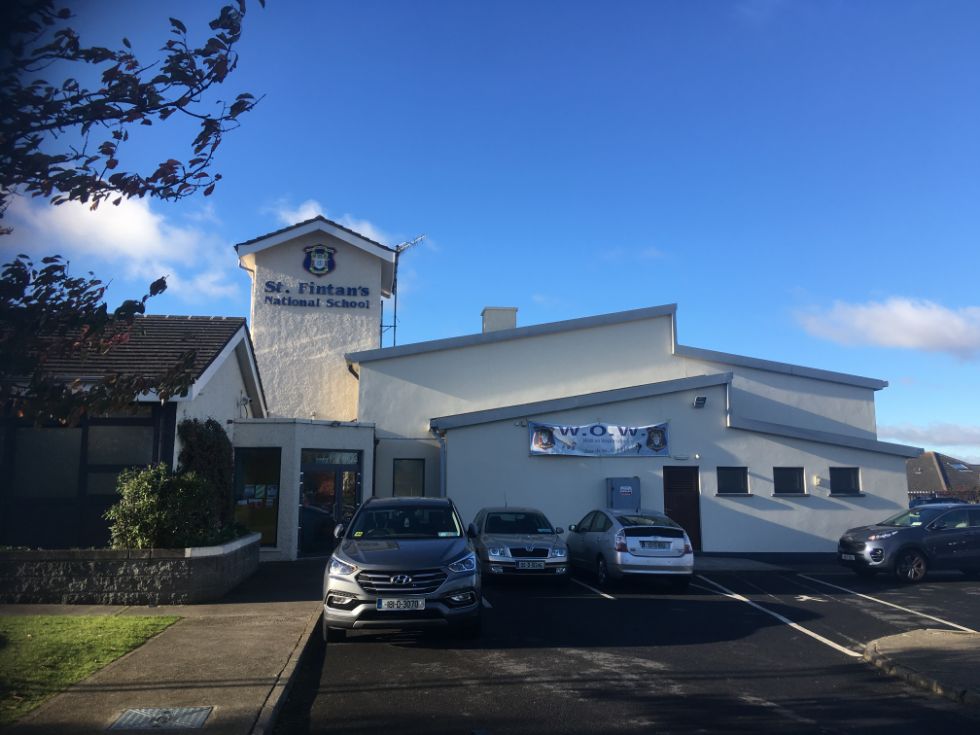
ST. FINTAN’S NATIONAL SCHOOL
HEALTH & SAFETY STATEMENT
Carrickbrack Road, Sutton, Co. Dublin
Section 1: Introductions
- 1School Background Information3
- 2Objectives of Safety Statement3
1.3 Health & Safety Policy of St. Fintan’s National School 4
1.4 Health & Safety Resources 5
1.5 Safety Statement Roles & Responsibilities 6
Section 2: Arrangements for Safe Working 7
- 1Safety Reviews7
- 2Safety Induction, Training & Awareness7
- 3Safety Consultation & Representation8
- 4Statutory & Internal Notices8
- 5Accident & Emergency Preparedness & Response9
- 6First Aid & Fire Controls9
2.7 Safety Procedures for Sub-Contractors 10
2.8 Personnel Protective Equipment 10
2.9 Parents & Visitors Safety Procedures 11
2.10 Bullying & Harassment at Work 11
2.11 Workplace Stress Management 12
2.12 Maternity Employees Policy 13
2.13 Lone Workers Policy 14
Section 3: Hazard Identification & Risk Assessments 15
3.1 Guidelines in Identifying Hazards & Risks 15
3.2 Physical Hazards 16
3.3 Health & Chemical Hazards 16
3.4 Human Factor Hazards 16
Section 4: Appendices 17
- Supervisor Safety Procedures
- Fire Drill Procedures
- Accident & Emergency Contact Details
- Recommended First Aid Contents
- Definitions
- References
- Annual Safety Report
- Change History & Training Record
- Risk Assessments
1.0 Introductions
- School Background Information
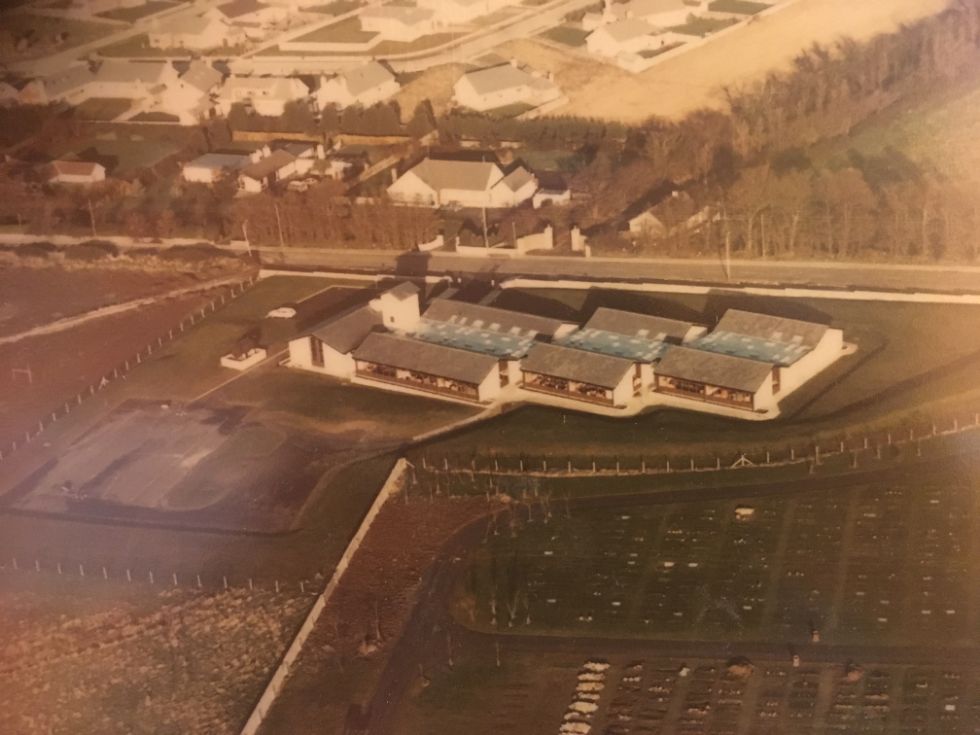
St Fintan’s National School was officially opened in Carrickbrack Road, Sutton, Co. Dublin in …….. and provides a safe, friendly learning haven for girls and boys. St. Fintan’s National School is a Catholic primary school. It is committed to the aims and principles of the revised (1999) primary school curriculum. It celebrates the uniqueness of each child as expressed in each child’s personality, intelligence and potential for development. This school seeks to nurture the child in all dimensions of his/her life – spiritual, moral, cognitive, emotional intelligence, imaginative, aesthetic, social and physical.
This school seeks to cherish and challenge children in a safe, secure and attractive learning environment. The school aims to provide quality learning experiences that are engaging, enriching and enjoyable through a broad, balanced and relevant curriculum.
The school sees itself as an integral part of the parish community and in partnership with parents and the church, seeks to nurture the Catholic faith through religious education, preparation for the sacraments and
through the ethos of the school. This ethos is best exemplified through the quality of al relationships in
the school, which are based on dignity for each person: child, parents, teachers, staff and all visitors to the
school.
St. Fintan’s National School seeks to be a warm and welcoming place, respectful and accommodating of diversity in race, culture, religion, gender and ability. The school strives to provide an inclusive environment responsive to the needs of all. The school also aims to promote equality in all areas and to provide extra support for any child with a learning disability, difficulty or problem through the school’s support structure.
This school also values its relationships with all parents and the local community and seeks to continue to
work in partnership with all sections of the school community in order to ensure the best interests of each
child are served. The school is a learning environment that promotes and values lifelong learning for all,
including staff.
1.2 Objectives of Safety Statement
The objectives of this Safety Statement are as follows:
q To demonstrate the school’s commitment in writing to safeguarding the health & safety of all staff, pupils, sub-contractors and visitors and to also ensuring that all health & safety laws and standards are reviewed and maintained.
q To provide a controlled document accessible to all St. Fintan’s National School staff in order to record the evolution of the school’s health & safety policy which becomes necessary due to the changing environment.
q To provide evidence that all policies used to ensure health & safety objectives are implemented & documented in order to assist those who must execute them, while also providing a reference for those who need to assess and audit the levels of health & safety being achieved.
q To help identify any training requirements that need to be fulfilled for suitably qualified personnel to carry out the policies contained within this manual.
1.3 Health & Safety Policy of St. Fintan’s National School
It is the intention of the board of management that all school work and associated activities at St. Fintan’s National School will be conducted in accordance with the relevant statutory provisions of the Safety, Health & Welfare at Work Act 2005 and that all reasonable practicable measures will be taken to avoid risk to all its pupils, staff, sub-contractors, visitors or others who may be affected.
The principal has the responsibility for implementing this policy and ensuring that all health & safety considerations are always given priority in planning and day to day supervision of work.
All staff members and contractors are expected to co-operate with the school management in carrying out this policy and must ensure that their own work, insofar as is reasonably practicable, is carried out without risk to themselves or others.
The safety representative shall represent the interests of all staff members and pupils with respect to health, safety & welfare and reference should be made to this person in the event of any difficulty arising in the implementation of this policy. The safety representative does not have responsibilities with respect to the implementation of health and safety in this school but is entitled to report on all safety issues that concern pupils, staff, parents and visitors to the principal / board of management.
The principal and school management will monitor the operation of this statement which will be available throughout the school. In addition the organisation and arrangements for implementing this policy will be available for reference for any staff member, sub-contractor, parent or visitor as required.
_________________________ _________
Sean O’ Connor
Principal & Board Safety Officer
St. Fintan’s National School Issue Date
_________________________ _________
Martin McInerney
Deputy Principal & Safety Representative Issue Date
1.4 Health & Safety Resources
|
SAFETY REPRESENTATIVE
Martin McInerney St. Fintan’s National School
|
|
BOARD OF MANAGEMENT SAFETY OFFICER
Sean O’ Connor
|
|
FIRST AIDERS
|
|
EXTERNAL CONSULTATION GROUP Board of Management Contractors (Building & Equip. Maintenance) Evening/Weekend Course Supervisors Parents Support Group |
|
FIRE WARDENS
Staff as per appendix 2 |
|
INTERNAL CONSULTATION GROUP Principal / Deputy Principal Safety Representative School Caretakers Fire Wardens First Aid Representatives Others as required |
1.5 Safety Statement Roles & Responsibilities
1.5.1 Board of Management - Safety Officer / Principal Responsibilities
- It is the board of management’s responsibility to ensure that a safety statement is set up & maintained in order to ensure that all work is carried out in accordance with the relevant statutory provisions of the Safety, Health & Welfare at Work Act 2005 and that all reasonable practicable measures are taken to avoid risk to staff members, pupils or others who may be affected.
- 1.5.2Staff Member / Safety Representative Role
The safety representative of St. Fintan’s National School is entitled to engage in the following activities as required:
- Consult with and make recommendations to the board of management on all safety, health & welfare matters relating to all employees working for the school.
- Investigate accidents & dangerous occurrences in the school grounds in order to find out the causes and to help identify any remedial or preventive measures necessary.
- Consult the Health & Safety Authority / Inspector either orally or in writing about any aspect of safety, health and welfare in this school. The safety representative may receive advice and information from the Inspector on such matters.
- Carry out inspections in the school grounds to identify hazards and risks to safety & health
- Discuss health & safety matters in confidence with other employees.
- Investigate situations where there is reasonable fear of risk of personal injury to employees represented or where complaints have been made by employees about potential hazards
g) Engage with the Health & Safety Authority / Inspectors upon arrival at the school
- 1.5.3Staff Responsibilities
- It is each individual staff member’s duty to adhere to safe systems of work as outlined in this safety statement while also complying with all instructions provided by the Board of Management
- Staff members are required to co-operate with the board of management on all health & safety issues and must highlight any defects in the buildings, equipment or the systems of work without delay.
(Teachers Refer to Appendix 1 for Supervisor Safety Procedures)
1.5.4 Safety Consultation Group Rights
- The internal safety consultation group (principal, safety officer, safety representative, fire wardens, first aiders and caretakers) must ensure that the safety interests of all employees, pupils, visitors etc is represented in a structured manner.
b) Other consultation groups that meet and review health & safety as part of their agenda include the board
of management and parent-teacher groups.
2.0 Arrangements for Safe Working
- 2.1Safety Reviews
2.1.1 The safety representative has the right to represent all staff members and pupils when reviewing health & safety issues with management.
2.1.2 These reviews should include some or all of the following:
- Progress report on the implementation of the safety statement
- Examination of the accident / incident record
- Risk assessment review
- Practical health & safety suggestions or solutions from management / employees
- Safety & health training needs and reports on safety training courses attended by employees
- 1.3The safety officer must track any safety issues for closure & implementation and ensure feedback is provided to all staff members and management, on the progress of the health & safety system.
2.1.4 The safety officer shall ensure that this safety statement is reviewed annually.
- 2.2Safety Induction, Training & Awareness
2.2.1 Safety induction training for all employees shall be carried out by the safety personnel / management.
The direct requirements of the job will be clearly explained to the individual involved with respect to all health & safety policies & standards.
2.2.2 It must be impressed on the employee that they have a responsibility for their own safety & the safety of others and for ensuring awareness of all relevant health & safety policies and standards.
2.2.3 The safety officer must ensure that effective systems in health & safety are maintained.
2.2.4 It is important to provide all new or temporary employees with a copy / access to the safety statement and information on the locations of all other health & safety policies & regulations.
2.2.5 All new employees shall be initially informed of any potential hazards and associated control measures in the work place e.g. fire evacuation procedures, accident & emergency preparedness etc
2.2.6 The safety officer shall also ascertain if new employees have any disability or illness which could prevent him / her carrying out certain tasks safely or if additional protective measures may be required.
2.2.7 Refresher training shall be provided as required to maintain or enhance competence and shall also include where appropriate; contractors, employees, self-employed people or temporary workers.
- 2.8General health promotion and surveillance schemes may also be provided in order to contribute to the maintenance of the employees’ general health and fitness, e.g. assessments of fitness for work, rehabilitation, job adoption following injury or ill-health or a policy on drugs or alcohol.
2.2.9 A booklet containing details of all school rules & routines including ‘A Code of Behaviour and Discipline’ will be issued to all relevant personnel. This booklet provides procedures in order to ensure safe and orderly movement on the school campus. The full co-operation of all parents is expected and essential for the implementation of this code.
2.3 Safety Consultation & Representation
2.3.1 The Health & Safety at Work Act 2005 places a general obligation on St. Fintan’s National School to consult with and to take account of any representations made by any employee for the purpose of giving effect to its statutory duties.
2.3.2 All issues raised must take into account the requirements as set out in the school safety statement and statutory regulations & codes of practice.
2.3.3 The safety officer has the right to ensure that this procedure takes effect with respect to the control of all safety issues & activities. (Reference Section 2.1, Safety Reviews)
2.3.4 The management of St. Fintan’s National School shall also:
- Establish arrangements for securing co-operation with all staff on safety, health & welfare and allow employees to be consulted on the steps taken to safeguard their safety, health and welfare and on the measures to check how effective the safeguards have been.
- Enable employees to consult with management through the safety representative who will be made aware of all matters relating to safety, health & welfare in the school.
- Enable effective consultation / liaison with a wide range of bodies and individuals as necessary including:
- Health & Safety Authority
- Fire Service
- Garda Siochana
- The Coroner or the Courts
- Sub-Contractors and Equipment Suppliers
- Insurance Companies
- The Media
- Parents & the General Public
- General Medical Practitioners, Specialists and Occupational Health Physicians
- Local Authority Environmental Health Officers and Licensing Officials
2.4 Statutory / Internal Safety Notices
2.4.1 The safety officer shall ensure that all relevant statutory & internal safety notices are posted in the most appropriate areas throughout the school and externally as required, e.g. fire point, first aid, exit signs, speed limit signs, occupiers liability act etc.
- Further information regarding all appropriate standards / notices, shall be supplied to the relevant
personnel and explained by the most appropriate means, i.e. using the safety statement, policies, instructions, notices or training.
2.4.3 The safety officer shall also ensure that all current standards / notices are updated as required.
- 2.5 Accident & Emergency Preparedness & Response
2.5.1 The management of St. Fintan’s National School shall ensure that procedures are established and maintained to respond to accidents & emergency situations and to prevent & minimise the health & safety impacts associated with them.
2.5.2 As well as developing & activating emergency plans the safety officer shall:
- test & rehearse safety plans & related equipment such as fire fighting equipment & fire alarms.
- train personnel on what to do in the event of an emergency
- liaise with the emergency services
- The safety officer will oversee:
- The installation, availability and testing of suitable warning and alarm systems
- Emergency scenarios that might occur including the means for dealing with these scenarios
- Emergency procedures for the school, including the responsibilities of key personnel
- Emergency services details e.g. fire brigade, gardai, ambulance services, doctor, etc
- Internal & external communications plans i.e. emergency contact numbers of management
- Training plans and tests that were conducted for effectiveness
- The availability of fire fighting equipment and its maintenance log.
2.5.3 The safety officer is responsible for reviewing all accident reports & Form IR-1 prior to release to the Health & Safety Authority (H.S.A.) / Insurers while also ensuring internal closure of all reported accidents.
2.5.4 The safety representative must report all incidents / accidents to management.
- 2.6 First Aid & Fire Controls
2.6.1 The safety officer / principal / safety representative shall ensure that adequate first aiders / first aid supplies are available when required and shall also activate the fire safety programme i.e. conducting elementary fire prevention, instruction and training, fire drills, maintaining fire equipment and completing evacuation procedures.
2.6.2 The exact location of all first aid / fire safety supplies must be made known to all employees or temporary staff and specific notices identifying its whereabouts must be posted.
2.6.3 Analgesics, pills or medications and supplies of such items should not be stored in any St. Fintan’s National School first aid boxes. Individual employees who believe they might have a need for these items must be responsible for their own supplies.
2.6.4 The board of management requires parents, whose children need medication during the school day to inform the board / principal of same and to sign an indemnity form removing the responsibility from the school for the administration of such medication. No unauthorised medication should be given by teachers or other school employees looking after children in school who fall ill (e.g. disprins for headaches etc)
2.6.4 The safety officer shall ensure that the fire alarm system is tested on a regular basis with all results recorded and will also ensure that the fire action plan is prominently displayed in the school.
(Refer to Appendix 2 for St. Fintan’s National School fire drill procedures)
2.7 Safety Procedures for Sub-Contractors
2.7.1 All sub-contractors will be expected to comply with the school’s policy for health & safety and must ensure that their own safety statement is made available for inspection before any work commences.
- 7.2All sub-contractors must complete a work / hot work permit as required before any building / maintenance work can be conducted on the premises. Sub-contractors must take all reasonable steps to avoid interference with normal activities in the school.
- 7.3reserves the right to verify any sub-contractors insurance arrangements.
- 7.4Sub-contractors must also ensure any equipment brought into the school / surrounding areas is safe & in good working order, fitted with all necessary guards and safe devices while also possessing the necessary certificates for safety inspections.
2.7.5 Staff of St. Fintan’s National School must be notified of any material or substance brought into the school grounds which has health, fire or explosive risks. Such materials should be stored and used in accordance with current recommendations. Material Safety Data Sheets (MSDS) must be supplied as requested.
- 7.6Scaffolding & other access equipment brought into the school grounds by sub-contractors & their employees must be erected and maintained in accordance with the Regulations Code of Practice.
2.7.7 Any injury / incident sustained by any sub-contractors’ employee whilst working in the school or surrounding areas must be reported immediately to the management / safety representative.
2.8 Personnel Protective Equipment (P.P.E)
2.8.1 The Safety Officer has a special responsibility to ensure that all caretakers are supplied with, trained in the use of, and consistently use personnel protective equipment (PPE) where required.
- 8.2All caretakers shall understand the need for P.P.E. and shall carry out work with P.P.E. in conjunction with all appropriate policies and standards but in particular the following:
a) All safety equipment purchased by the company must comply with approved standards
b) Eye protection will be provided as required to protect eyes from dust, flying particles, fumes, radiant heat and light which is likely to be injurious
c) Hearing defenders will be carefully selected for caretakers working with hazardous noisy equipment to ensure the correct level of noise alteration is obtained. This is important, as noise is not only dependent on loudness, but also frequency.
e) Overalls, fluorescent vests, gloves and safety shoes are also available as required.
f) All P.P.E. selected and used shall be in accordance with the 2005 Health & Safety Act and the General Application Regulations 2007.
- 8.3The Safety Officer / Safety Representative shall ensure that adequate supplies of all necessary protective clothing and equipment is available for issue as required and that when issued to employees, a signature shall be obtained to acknowledge receipt and correct use for the equipment.
- 8.4The Safety Officer / Representative shall also inform any employee or contractor of both statutory and school policy requirements in relation to P.P.E. Any person not complying with these policies will be instructed to stop working immediately until P.P.E. is obtained and used.
2.9 Parents & Visitors Safety Procedures
2.9.1 Those responsible for parents & visitors must ensure that they comply with all school procedures and regulations for health & safety while in the buildings & grounds of St. Fintan’s National School. All visitors coming onto the school premises must identify themselves clearly to the Principal / Secretary.
2.9.2 Management / staff should also highlight specific hazards, risks, evacuation procedures etc, as appropriate with particular emphasis on the drop off / collection procedures.
2.9.3 Management / safety representative must follow all regulations & procedures with respect to accidents when in the company of any parents / visitors and all accidents / incidents must be reported immediately.
- 9.4Management / safety representative are also responsible for liasing with all parents / visitors prior, during and after the visit on all safety issues as appropriate.
2.9.5 Full co-operation is also expected from all parents in order to ensure implementation of the school booklet, “A Code of Behaviour & Discipline”.
2.10 Bullying & Harassment at Work
2.10.1 St. Fintan’s National Schoolis committed to providing all of its staff & pupils with an environment free from bullying and harassment.
2.10.2 All staff members will be expected to comply with this policy.
(a) This policy applies to employees both in the school and at work associated events such as meetings, conferences and work related social events, whether on the school grounds or off-site.
(b) This policy applies to bullying / harassment not only by fellow employees but also by a client, or other contact to which an employee might reasonably expect to come into contact with in the course of their employment.
2.10.3 Management will take appropriate measures to ensure that bullying / harassment does not occur. Appropriate disciplinary action, including dismissal for serious offences, will be taken against any employee who violates this policy.
2.10.4 Any accident / incident caused by bullying / harassment must be recorded and reviewed by management.
2.10.5 The principal, safety representative and/or safety officer has the right to liaise with any employee who may be subjected to bullying / harassment at work and may subsequently report any such incidents to management.
2.11 Workplace Stress Management
2.11.1 St. Fintan’s National School is conscious of its responsibilities with respect to recognising, managing and controlling workplace stress.
2.11.2 Management will pay particular attention to the potential risks of stress from work-related activities and will note any signs of stress at work and take appropriate action.
2.11.3 Employees, who feel they are at risk from stress at work, should inform the safety officer / principal without any undue delay. All employees should also be aware that stress may be caused by poor work organisation, changes in work practices, poor working relationships, poor communications, lack of control, poorly defined work roles, highly demanding tasks etc.
- The following control measures for dealing with stress will be implemented as required:
- Provision of training for employees in stress & time management
- Ensuring the principal is aware of the potential causes of stress and early warning signs
- Ensuring that all complaints, which may be related to stress, are listened to and that appropriate
measures are taken
- Appropriate assistance will be provided to staff members to offer confidential and individual
counselling when needed.
- Management reviews to include assessment of any changes in work activities, working
conditions, procedures or work arrangements, which may affect stress generators.
2.11.5 Appropriate records will be maintained of all stress-related complaints, incidents and follow-up action.
2.12 Maternity Employees Policy
2.12.1 St. Fintan’s National School is conscious of its obligations under the Safety, Health & Welfare at Work Regulations 2005, which relate to women who are pregnant or have recently given birth or are breast-feeding.
2.12.2 St. Fintan’s National School. must ensure compliance with all Pregnancy Regulations stated in the Safety, Health and Welfare at Work Act 2005. In accordance with this act a maternity employee is defined as an employee who has informed her employee of her condition that she is pregnant or that she has given birth within the past 14 weeks or that she is breast-feeding and has given birth within the past 26 weeks.
2.12.3 This school is obliged to ensure there is no damage to the health & safety of either the mother or the developing child. In order to comply with the regulations the school must carry out a risk assessment of the areas in which the employee works, however in order to do this; the school needs to be notified of the condition.
- 12.4Specific agents / working conditions, which potentially may increase the risk include:
- Excessive physical / mental pressure may cause stress & give rise to anxiety /raised blood pressure
- Manual Handling tasks, where there is a risk of injury. Pregnant employees have reduced capacity as the pregnancy progresses and those who have recently given birth may also have limitations. Breast-feeding employees are at no greater risk than other employees are.
2.12.5 A maternity employee who feels she may be at risk should ensure that management is informed so that the necessary precautions can be taken.
2.12.6 Provision shall be made for pregnant employees to take rest breaks in a private room. Any incident / accident involving pregnant employees shall be attended to immediately by the principal or safety representative.
2.12.7 Management / safety representative shall liaise with the relevant employee to ensure that any risk is monitored and the relevant controls / precautions are implemented.
2.13 Lone Workers Policy
2.13.1 St. Fintan’s National School is aware that although there is nothing specific in general legislation that prohibits a person from working alone the Safety, Health & Welfare at Work Act 2005 requires the employer to at least undertake a safety risk assessment.
- 13.2Therefore as a result of completing the risk assessment the management will then be in a position to determine whether a staff member is at a significantly higher risk when working alone.
- 13.3Lone workers are those who work by themselves without close or direct supervision. Anybody who works alone / after-hours including teachers, caretaker, sub-contractors, self-employed people, cleaners, security, maintenance or repair staff is classed as a lone worker.
- 13.4Management are responsible for protecting the safety and health of lone workers, nonetheless, lone workers themselves have a responsibility to help the management fulfil this duty so they must:
- Take reasonable care to look after their own safety and health
- Co-operate with all company safety and health procedures
- Not misuse any equipment
- Report all accidents, injuries, near-misses and other dangerous occurrences
2.13.5 If the risk assessment demonstrates that it is not possible for the work to be done safely by a lone worker, alternative arrangements must be put in place.
- 13.6Control measures must also be implemented in order to eliminate / minimise any identified risks.
Such control measures may include:
- Communication is very important e.g. mobile phone, telephone or pager
- Controlled periodic checks by management
- Instruction & training
- Locking and securing of all entrances
- Reporting of any incidents / near misses
- 13.7When planning safe working arrangements for lone workers management must address the
following issues:
- Can the risks of the job be adequately controlled by one person?
- Is the person medically fit and suitable to work alone?
- What training is required to ensure competency in safety matters?
- How will the person be supervised?
- What provisions will be put in place for lone workers in case of an emergency?
- Have all safety issues for lone workers, working from home been addressed?
3.0 Hazard Identification and Risk Assessments
3.1 Guidelines in Identifying Hazards and Risks
3.1.1 Management recognises that its activities and buildings may present a health and safety risk and shall identify the areas where control measures are required in order to ensure a safe working environment.
- 1.2Hazards will be identified in the school and risk assessments will be completed by management / safety representative as required while all subsequent impacts, consequences & existing control measures raised will be reviewed & categorised into high, medium or low risk.
3.1.3 Management will subsequently ensure that all hazards identified are eliminated or controlled as far as is practicable so that they are reduced to an acceptable level.
- 1.4 will place particular attention on the following:
a) “Hazard” is taken to mean “any substance, article, material or practice which has the potential to cause harm to the Safety, Health or Welfare of staff members at work”.
b) “Risk” means “the potential of the hazard to cause harm in the actual circumstances of use”.
- “Risk Assessment” is based on the linking of the probability of occurrence with the severity
of loss and/or injury. In this exercise, risks are graded “High”, “Medium” or “Low”. This is to ensure prioritisation in the implementation of controls and allocation of resources.
Grade of Risk Abbreviation Characteristics
High Risk “H” Possibility of fatality / serious / minor injury to a number of people. Possibility of significant material loss
Medium Risk “M” Possibility of minor injury to a small number of people. Risk of some material loss. The possibility of a fatality / serious injury or significant material loss is unlikely although conceivable.
Low Risk “L” The possibility of injury or material loss is unlikely although conceivable.
3.2 Typical Physical Hazards (Reference Appendix 9)
- Manual handling (e.g. heavy, awkward or hard to reach loads)
- Traffic movement at the start and end of school day
- Playground arrangements
- Letting school premises to outside groups
- Using step ladders / Falling objects
- Slipping/tripping hazards e.g. poorly maintained floors/areas/ drains, loose cables
- Inadequate access / egress in classrooms / offices / stores areas
- Fire Equipment hidden behind doors, boxes, coats etc
- Fire (from flammable or combustible materials or excess waste)
- Boiler house hazards
- Electricity (poor wiring or residual current)
- Special hazards from maintenance of equipment & the school itself
- Hot substances or surfaces
- Poor housekeeping systems
- Pressure systems / boilers
3.3 Typical Health & Chemical Hazards (Reference Appendix 9)
- Excessive / Prolonged noise (e.g. noisy office equipment)
- Inadequate welfare conditions / poorly maintained
- Unsuitable lighting levels
- Sources of radiation
- Extremes of temperature
- Injury through poor design of work stations / layout (e.g. ergonomic faults)
- Exposure to solvents, glues, pesticides etc
3.4 Typical Human Factor Hazards (Reference Appendix 9)
Apart from physical surroundings, human factors must also be taken into account when identifying hazards. People should be mentally and physically capable of doing their jobs safely. The workplace, the work system, the organisation of work and the job should be designed so as to avoid sustained stress. Other human factor issues that may need to be reviewed include violence to workers and bullying. Some groups are particularly vulnerable:
- Young workers, these have a higher accident rate
- Pregnant women
- Staff / Pupils / Visitors with disabilities
- New or inexperienced employees
- Older workers
- Lone workers
- Parents / Visitors not familiar with school grounds
- Violence, challenging behaviour and stress
Appendix 1 Supervisor Safety Procedures
1. Teachers “Duty of Care” for the pupils under their control operates from school opening time
at 8.50am until orderly dismissal at 2.30pm.
2. Teachers are responsible for bringing their classes to and from the playground in an orderly manner and for accompanying classes to dismissal points at dismissal time.
3. Teachers on duty must go to the designated classroom areas/playground in good time for supervision. A table of names for supervision duty will be on display in the staffroom and a
copy will be issued to each teacher.
4. It is the responsibility of a teacher who is unable to supervise on any occasion to arrange to have these duties carried out by a colleague.
5. Teachers in adjoining rooms have a reciprocal arrangement for supervision when they leave their classrooms (e.g. for lunch, before playground supervision, to see a parent etc). Work should be set by the Teacher before leaving.
6. No child should remain in the classroom or school building during playtime. A written request from a parent is necessary to have a child kept indoors during playtime.
7. No child is to leave the playground without the permission of the teacher in charge,
8. Teachers should ensure that all children have been given an opportunity to go to the toilet before playground period in order to reduce the need for pupils to re-enter the building.
9. Assistance must be sought before moving any child who is suspected of having a broken / fractured limb or other serious injury. In the event of a pupil sustaining a head injury the following procedures shall apply:
- Parent / Guardian should be contacted immediately
- If the pupil is waiting to be collected by parent / guardian (s)/he should be checked for signs of concussion / sickness at regular intervals
- If parent/guardian is satisfied to let the child remain at school for the normal school hours, regular checking for signs of concussion / sickness should be carried out. Parent/ Guardian should be notified if the child’s condition worsens
- The incident should be logged, dated and signed in the first aid book and also the supervisor register
Appendix 2 St. Fintan’s National School Fire Drill Procedures
The initial fire drill will be held at a pre-determined time. The procedure should be thoroughly practised with all classes beforehand. Thereafter the fire alarm bell will be sounded without warning, occasionally, whereupon the building must be evacuated immediately. The following is the fire evacuation procedure:
Fire Drill Procedure
1. The Principal / Caretaker will activate the fire alarm bell
2. At the sound of alarm all pupils/teachers/SNA/substitute teachers/other staff/parents/visitors
should walk quietly in single file to the usual assembly point in the playground. Children
(especially younger ones) should be re-assured and told that there is no need to panic.
3. Teacher takes class register for roll-call in playground
4. When Teacher gives signal, all pupils go at a steady uniform pace to the ASSEMBLY POINTS IN THE PLAYGROUND with their Teacher.
5. Teacher closes classroom door in order to prevent fire spreading.
6. Pupils assemble single-file on regular playground assembly points. (Pupils should be instructed beforehand that if he/she is absent from the classroom when the alarm rings, he/she should go immediately to the assembly point by the nearest exit and must not attempt to go back to classroom)
7. During evacuation and on assembly, absolute order and attention must be maintained. Pupils must be able to hear clearly any instructions given by the Teacher. (This shall be emphasised in preliminary talks with the pupils). Principal/Secretary shall also bring mobile/handset to assembly in case emergency services need to be contacted
8. Teacher calls roll or takes head count.
9. Principal shall remain in the playground area and shall obtain the following information:
name of teacher, room number and ok / pupil missing report, duration of fire drill and signatures of principal and safety representative.
10. No pupil should re-enter the building until the ‘all-clear’ is given at which point the alarm is
deactivated at the end of the drill. Return to rooms should be quiet and unhurried.
Important Notes:
* Pupils must not take personal property such as bags, coats etc to the assembly points
during the evacuation
* All ancilliary staff, parents and visitors must also exit immediately to the nearest exit upon hearing the alarm
* Special care should be given to children with physical and mental disabilities
Appendix 3 Accident & Emergency Contact Details
Name / Address Contact Details
Safety Officer -
School Principal -
Safety Representative -
Chairperson Board of Management-
Local Doctor -
Hospital -
Ambulance -
Fire Brigade -
Garda Station -
First Aiders -
Fire Wardens -
ESB Emergency -
Gas Emergency -
HSA Local Office -
Appendix 4 Recommended First Aid Contents
|
Materials |
Contents | ||
| 1-5 persons | 6-25 persons | 26-50 persons | |
| Adhesive plasters | 12 | 20 | 40 |
| Sterile eye pads (Bandage attached) | 2 | 2 | 4 |
| Individually wrapped triangular bandages | 2 | 6 | 6 |
|
Safety Pins
|
2 | 6 | 6 |
|
Medium individually wrapped sterile unmedicated wound dressings (approx. 10 x 8 cms)
|
2 | 6 | 8 |
|
Large individually wrapped sterile unmedicated wound dressings (approx. 13 x 9 cms)
|
1 | 2 | 4 |
|
Extra large individually wrapped sterile unmedicated wound dressings (approx. 28 x17.5cms)
|
1 | 3 | 4 |
|
Individually wrapped wipes
|
8 | 8 | 10 |
|
Pairs of Latex gloves
|
1 | 2 | 2 |
| Additionally, where there is no clear running water, sterile eye wash (b) | 1 | 2 | 2 |
Appendix 5 Definitions
Accident means an unplanned event giving rise to death, ill-health, injury, damage or other loss.
Continuous Improvement means the process of enhancing health and safety management system to achieve improvements in health and safety performance in line with the organisation’s health & safety policy.
Employee means any person who works for an employer under a contract of employment. This contract may be expressed or implied and be oral or in writing. An employee may be employed full-time or part-time or in a temporary capacity.
Employer means any person or organisation by which an employee is employed under a contract of employed.
Hazard means a source or a situation with potential for harm in terms of human injury or ill health, damage to property, damage to the environment or a combination of these.
Hazard Identification means the process of recognising that a hazard exists and defining its characteristics.
Health & Safety means occupational health, safety and welfare in the context of preventing accidents and ill health to employees while at work.
Health & Safety Management System means the part of the overall management system that includes the organisational structure, planning activities, responsibilities, practices, procedures and resources for developing, implementing, achieving, reviewing and maintaining the occupational health & safety policy.
Health & Safety Management System Audit means the overall health and safety goal, arising from the health & safety policy, that an organisation sets itself to achieve and which is quantified where practicable.
Health & Safety Performance means the measurable results of the management system related to an organisation's control of its health & safety aspects based on its health & safety policy, objectives and targets.
Health & Safety Policy means a statement by an organisation of its intentions and approach in relation to its overall health and safety performance that provides a framework for action and for the setting of its health and safety objectives.
Risk means the potential of the hazard to cause harm in the actual circumstances of use.
Risk Assessment is based on the linking of the probability of occurrence with the severity
of loss and/or injury. In this exercise, risks are graded “High”, “Medium” or “Low”. This is to ensure prioritisation in the implementation of controls and allocation of resources.
Sub-Contractor means any individual, employer or organisation whose employees undertake work for a fixed or other sum and who supplies the materials and labour (whether their own labour or that of another) to carry out such work or supplies the labour only.
Appendix 6 References
Risk Assessments
Physical Hazards, Health & Chemical Hazards, Human Factor Hazards
Safety Reviews
Risk Assessment Reviews
Material Safety Data Sheets (M.S.D.S)
MSDS Sheets for any Hazardous Materials stored
Health & Safety Standards
Safety, Health & Welfare at Work Act 2005
Safety, Health and Welfare at Work (General Application) Regulations 2007
St. Fintan’s National School Internal School Procedures
Appendix 7 AnnualSafety Report
The following is the annual safety report for St. Fintan’s National School for ……as required by the Safety, Health & Welfare at Work Act 2005.
Safety Task Review
Yes No
1. Were the aims of the Safety Statement relevant & appropriate ?
Clarify ______________________________________________________________
____________________________________________________________________
____________________________________________________________________
Yes No
2. Were all significant hazards identified and risks assessed?
Clarify________________________________________________________________
______________________________________________________________________
______________________________________________________________________
Yes No
3. Were all identified preventative, protective safety measures implemented,
Was intended progress achieved ?
Clarify________________________________________________________________
______________________________________________________________________
______________________________________________________________________
Yes No
4. What new safety measures were applied following any reported
accidents or other incidents that occurred, or following any enforcement
measures relating to the school ?
Clarify_________________________________________________________________
_______________________________________________________________________
_______________________________________________________________________
_______________________________________________________________________
_______________________________________________________________________
Safety Task Review
Yes No
5. Was there anything more that could reasonably have been done?
Clarify_______________________________________________________________
_____________________________________________________________________
Yes No
6. Were adequate financial, physical, human and organisational resources
committed to health & safety ?
Clarify_______________________________________________________________
_____________________________________________________________________
_____________________________________________________________________
Yes No
7. What improvements in health & safety measures need to be implemented
for the future ?
Clarify_______________________________________________________________
_____________________________________________________________________
_____________________________________________________________________
8. Records Reviewed:
Yes No
- Accident / Incident Reports
- Safety Reviews / Risk Assessment Reviews
- Training
- Maintenance (e.g. Fire Alarm Tests, Fire Equipment, Boiler etc)
- Other _____________________________________
9. Recommendations:
____________________________________________________________________
____________________________________________________________________
____________________________________________________________________
____________________________________________________________________
____________________________________________________________________
10. Conclusions:
_____________________________________________________________________
_____________________________________________________________________
_____________________________________________________________________
11. Approvals:
_____________________________________________________________________
_____________________________________________________________________
_____________________________________________________________________
12. Distribution:
_____________________________________________________________________
_____________________________________________________________________
_____________________________________________________________________
Appendix 8
6.1 Change History
Rev 01 Initial Issue
Rev 02 Updated school safety statement in order to comply with the Safety,
Health & Welfare at Work Act 2005 & current working practices
6.2 Training Record
Name Signature Date
_______________________ _______________________ _____________
_______________________ _______________________ _____________
_______________________ _______________________ _____________
_______________________ _______________________ _____________
_______________________ _______________________ _____________
_______________________ _______________________ _____________
_______________________ _______________________ _____________
_______________________ _______________________ _____________
6.2 Training Record
Name Signature Date
_______________________ _______________________ _____________
_______________________ _______________________ _____________
_______________________ _______________________ _____________
_______________________ _______________________ _____________
_______________________ _______________________ _____________
_______________________ _______________________ _____________
_______________________ _______________________ _____________
_______________________ _______________________ _____________
_______________________ _______________________ _____________
_______________________ _______________________ _____________
_______________________ _______________________ _____________
ST. FINTAN’S NATIONAL SCHOOL
RISK ASSESSMENTS & CONTROL MEASURES
Appendix 7 PHYSICAL HAZARDS
Location: Carrickbrack Road, Sutton, Co. Dublin Assessment No.: RA-08-001Performed by: Fergal Walsh, BizRisk Assessmentdate: 02-12-08Reviewed by: Review date: |
||||
Hazards & Risks |
Risk Level |
People at Risk |
Control Measures |
Responsible Persons |
|
Hazard 1: Hazards associated with external steps, paths & parking areas
Risk 1: Serious injury/accident could result |
High |
Pupils & Parents Staff Visitors |
*Suitable steps & paths for pedestrian traffic / Zebra crossing at front entrance *Maintain parking areas and ensure clear access for emergency vehicles *Consider installing external lights at side of building Use anti-slip coating on the edge of steps/non-slip drains Effective procedures to deal with floods, snow or ice No parents cars inside gates Ensure signage at front gate |
Safety Officer / School Principal / Safety Representative
School Caretakers
|
|
Hazard 2: Dangers associated with playgrounds
Risk 2: Serious injury to pupils |
Medium
|
Pupils Staff
|
Maintain even surfaces & remove leaves, mud, stones Padding for basketball posts Ensure users wear approp. footwear for the surface Supervision at all times |
Safety Officer / School Principal / Safety Representative School Caretakers |
|
Hazard 3: Activities in the general purpose hall
Risk 3: Consequences could be severe in the event of an emergency
|
Medium
|
Pupils
|
Maintain floor surfaces/mats Maintain/Inspect PE Equip. No jewellery during sports Supervision at all times First-Aid box/De-fibrillator Ensure emergency lighting *Padding for radiator edges |
School Principal / Safety Officer / Safety Representative
Staff
School Caretakers |
|
Hazard 4: Entrances/exits blocked, internal steps & corridors
Risk 4: Consequences could be severe in an emergency |
High |
Pupils Staff Visitors |
Replace worn mats/entrance Use adhesive strip / yellow paint for edge of all steps Remove furniture, chairs, equipment from all corridors Clear access to all exits - *Main exits from corridors *Prefab 2
|
School Principal / Safety Officer / Safety Representative
School Caretakers
|
ST. FINTAN’S NATIONAL SCHOOL
RISK ASSESSMENTS & CONTROL MEASURES
Appendix 7 PHYSICAL HAZARDS
Location: Carrickbrack Road, Sutton, Co. Dublin Assessment No.: RA-08-001Performed by: Fergal Walsh, BizRisk Assessmentdate: 02-12-08Reviewed by: Review date: |
||||
Hazards & Risks |
Risk Level |
People at Risk |
Control Measures |
Responsible Persons |
|
Hazard 5: Inadequate safety signage e.g. exit signs, exit directional signs, fire point, first aid, fire assembly, emergency exit signs etc
Risk 5: Severe in an emergency |
High |
Pupils Staff Visitors |
New safety signage required Ensure exit & exit directional signs when exit is not clearly visible throughout building *Dir exit signs to all main exits *Lighted exit signs in main bld *Signage at front gate *Ensure cleaners room locked *Keep all corridors clear |
School Principal / Safety Officer / Safety Representative
School Caretakers |
|
Hazard 6: Inadequate fire prevention / first aid preparation
Risk 6: Consequences could be severe in an emergency |
High |
Pupils Staff Visitors External bodies using school |
-Audible fire alarm system all over building & prefabs -Conduct fire drills every year & ensure qualified first-aiders -Ensure suitable quantity/size of fire extinguishers all over bld *Review main building/prefabs *No fire ext in staff room -Ensure fire equip. maintained on an annual basis -Ensure fire point signs at all fire equipment (eye level) -Ensure smoke detectors & conduct regular tests -Conduct fire equip. training -All fire equipment must be visible, mounted & accessible *Prefab classrooms, PE Hall *fire ext on floor/behind doors -Ensure easy access to all exits |
School Principal Safety Officer / Safety Representative
School Caretakers |
|
Hazard 7: Faulty electrical equipment / overloaded power-point fittings/ broken conduit Risk 7: Fire hazards / Shock likely to occur |
High |
Pupils Staff Visitors |
Report defective equipment. Regular inspection by staff especially in computer room *Ensure use of surge protection adaptors in all rooms Regular inspection by qualified electrician on all wiring |
School Principal / Safety Officer / Safety Representative
Staff |
|
Hazard 8: Inadequate maintenance & poor housekeeping Risk 8: Injury due to poor practice |
Medium |
Caretakers Cleaners Sub-contractors |
Regular after-hours cleaning Ensure caution, use of signage / cones & protective equipment Approved sub-contractors only |
Safety Officer / Safety Representative School Cleaners School Caretakers |
|
Hazard 9: Damaged buildings, equipment & furniture Risk 9: Severe injuries to pupils, |
Low |
Pupils & Parents Staff Visitors |
Regular inspection by all staff & report to management Approved sub-contractors only Ensure caution, signage / cones & use of protective equipment |
School Principal /Safety Officer / Safety Representative
School Caretakers |
ST. FINTAN’S NATIONAL SCHOOL
RISK ASSESSMENTS & CONTROL MEASURES
Appendix 7 PHYSICAL HAZARDS
Location: Carrickbrack Road, Sutton, Co. Dublin Assessment No.: RA-08-001Performed by: Fergal Walsh, BizRisk Assessmentdate: 02-12-08Reviewed by: Review date: |
||||
Hazards & Risks |
Risk Level |
People at Risk |
Control Measures |
Responsible Persons |
|
Hazard 10 : Hazards in classroom areas / offices / doors / windows
Risk 10 : Serious injury could result to pupils / staff from damaged or unstable furniture, fixtures, poor flooring etc |
High |
Pupils Staff |
Review & ensure emergencyexits are accessible *Prefab 2 exit blocked *Consider installing one emergency window in all rooms
Avoid trailing cables from equipment in all rooms
Inspect furniture regularly
Provide coat hooks/racks for drying pupils’ wet clothes – in suitable positions
Consider anti-slip coating as even drips of water on smooth surfaces can be enough to result in slips.
Avoid overcrowding of rooms & clear access to entry & exit doors from all classrooms
Consider installing rubber seals in door jams to avoid finger injuries to pupils |
Safety Officer School Caretakers Staff |
|
Hazard 11 : Hazards associated with building maintenance equipment / stores / boiler Risk 11 : May cause access hazards in building / injury to caretakers |
Medium |
Pupils Staff Caretakers |
One area for storing all unused equipment / furniture *Near corridor exits
Regular boiler maintenance & ensure fire equip in boiler-house |
Safety Officer
School Caretakers
Sub-contractors |
|
Hazard 12 : Poor technique when lifting boxes/equipment/furniture
Risk 12 : Serious injury could result |
High |
Staff Caretakers |
Minimize manual handling Manual handling training Use handling equipment Assess, monitor and observe lifting conducted by staff |
Safety Officer Staff School Caretakers |
ST. FINTAN’S NATIONAL SCHOOL
RISK ASSESSMENTS & CONTROL MEASURES
Appendix 7 HEALTH & CHEMICAL HAZARDS
Location: Carrickbrack Road, Sutton, Co. Dublin Assessment No. RA-08-001 Performed by: Fergal Walsh, BizRisk Assessmentdate: 02-12-08Reviewed by: Review date: |
||||
Hazards & Risks |
Risk Level |
People at Risk |
Control Measures | Responsible Persons |
|
Hazard 1: Prolonged / excessive noise or stress in buildings during school hours / sports activities Risk 1: Headaches / Stress |
Medium |
Pupils Staff |
Number of pupils using facilities is controlled Staff breaks / Rota Discipline & training Stress management |
School Principal / Safety Representative
Staff |
|
Hazard 2: Inadequate / poorly maintained toilet, washing, eating facilities Hot water in toilets Risk 2: Health disorders |
Low |
Pupils Staff Visitors
|
Maintain high standard of cleanliness in all toilets Good hygiene practices Lock installed on external bins and secured to wall Pest control contractor |
School Principal / Safety Officer / Safety Representative Staff
Sub-contractors |
|
Hazard 3: Unsuitable lighting levels Risk 3: Consequences could be severe in an emergency |
High |
Pupils Staff Visitors |
Ensure approp. lighting levels in all areas incl. steps, corridors and stores Ensure emergency lights in all areas especially corridors to ensure safe access to all exits |
Safety Officer Safety Representative
School Caretakers |
|
Hazard 4: Extremes of temperature Risk 4: Health & Performance risks |
Medium |
Pupils Staff Visitors |
Appropriate levels of ventilation & temperature Regular boiler maintenance |
Safety Officer Safety Representative
School Caretakers |
|
Hazard 5: Pupils have easy access to chemicals & cleaning materials
Risk 5: Swallowing & Inhalation Risks |
High |
Pupils
|
Secure /lock all solvents & cleaning materials *Cleaners store open Maintain MSDS (Safety Info.) for cleaning material |
Safety Officer
School Caretakers
|
|
Hazard 6: Visual discomfort due to excessive VDU usage Risk 6: Eye strain/Headaches/Stress |
Low |
Staff
|
Control VDU usage/breaks Ensure proper VDU spec VDU Cleaning/ Screens Annual Eye Tests |
Safety Officer Safety Representative Staff |
|
Hazard 7: Physical discomfort at desk Risk 7: Serious injury to staff/pupils |
Medium |
Staff Pupils |
Ensure proper seating & work stations / desks & sufficient working space |
Safety Officer Safety Representative |
ST. FINTAN’S NATIONAL SCHOOL
RISK ASSESSMENTS & CONTROL MEASURES
Appendix 7 HUMAN FACTOR HAZARDS
Location: Carrickbrack Road, Sutton, Co. Dublin Assessment No. RA-08-001Performed by: Fergal Walsh, BizRisk Assessmentdate: 02-12-08Reviewed by: Review date:
|
||||
Hazards & Risks |
Risk Level |
People at Risk |
Control Measures | Responsible Persons |
|
Hazard 1: Pupils/Staff / Visitors with physical or mental disabilities
Risk 1: In emergency situations |
Medium |
Pupils Staff Visitors |
Monitor each individual situation as it happens Make special provisions as and when required-fire drill Ensure prior awareness of individual needs / allergies |
School Principal / Safety Representative
Staff |
|
Hazard 2: New, Young & Old Staff Lone Workers (Evenings) Foreign Staff / Visitors Risk 2: Not familiar with area or unable to cope especially in emergencies / young workers more prone to accidents |
Medium |
Pupils Staff Visitors |
Orientation with school safety procedures Supervision & awareness Ensure all foreign staff / parents understand safety systems & procedures Advise & assist visitors & parents |
Safety Officer Safety Representative
|
|
Hazard 3: Pregnant Staff / Visitors
Risk 3: Specific work duties / hours / facilities / work location / Risk in an emergency |
Medium |
Staff Visitors |
Monitor work duties, hours & work tasks of any pregnant staff/volunteers Provide rest room Monitor & Assist visitors |
Safety Officer Safety Representative
Staff |
|
Hazard 4: Overall safety systems
Security & theft concerns
Risk 4: Sustained stress / poor performance
Risk of theft or challenging behaviour |
High |
Pupils Staff Visitors
|
Annual reviews Regular meetings & communication Regular on-site training e.g. fire equipment, manual handling training, First aid training Ensure a good working environment for all staff Documented school policies available for staff More safety signage req’d Security controls at all entrances & CCTV |
School Principal Safety Officer Safety Representative
|